Buyer Guides / Quality Assurance
Before You Order 500 Uniforms: A Practical Sample-Approval Checklist
A practical way to turn a good-looking sample into a clear production decision.
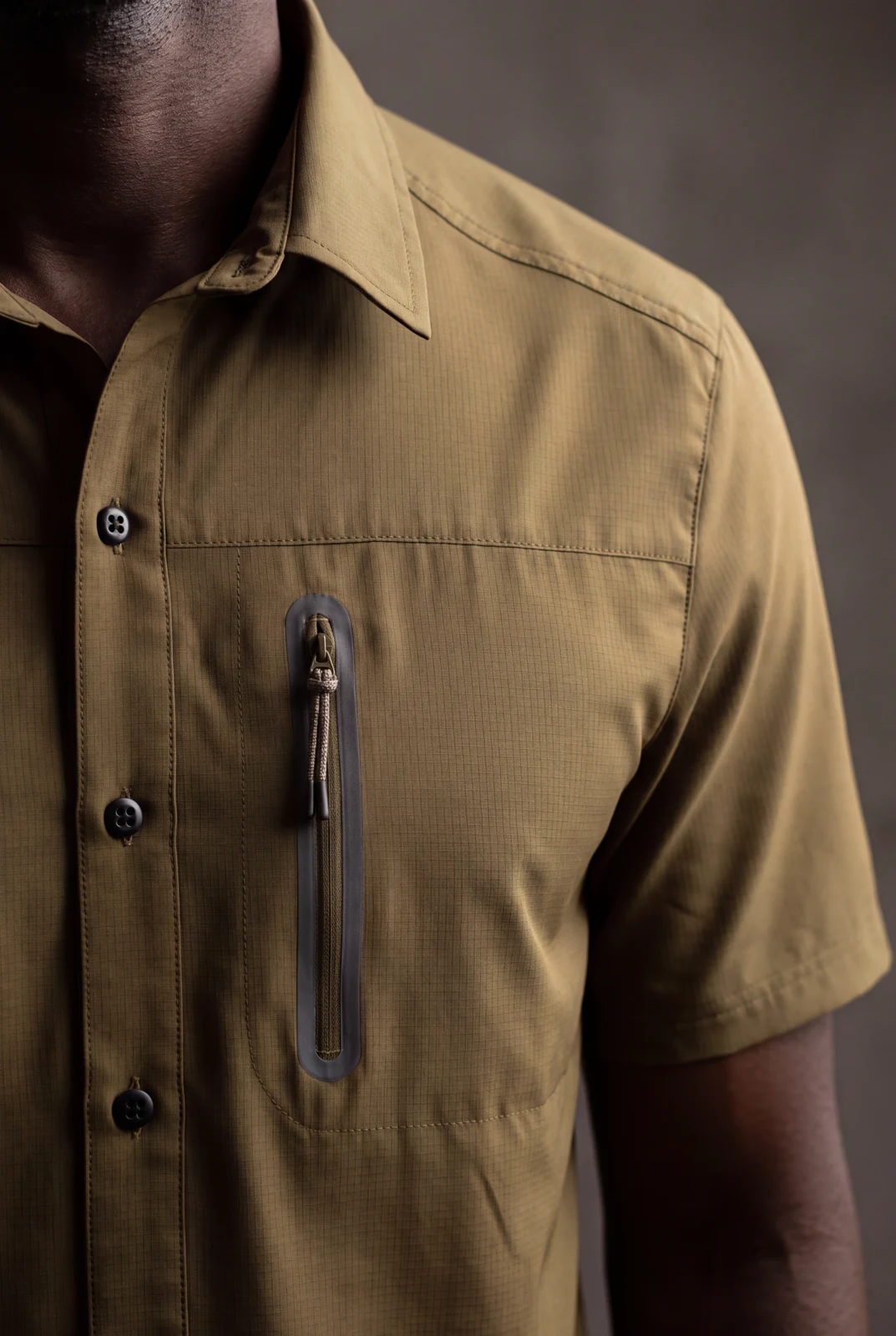
A good-looking sample is a starting point, not a complete purchasing decision. Before approving a bulk uniform order, agree on what the finished garments must look like, how they must fit, and how they should perform in everyday use.
For a multi-location business, one unclear decision can become the same problem in hundreds of garments. This checklist is designed to help buyers turn a sample review into a clear production brief.
1. Review the job, not just the garment
Start with the people who will wear it. Will they work indoors or outside? Reach overhead, kneel, carry equipment, or spend long periods seated? Will they wear the uniform over another layer?
Write down the practical requirements before comparing fabrics or prices. Include pocket access, closures, sleeve length, coverage, and the expected washing routine. Ordinary uniform selection should not replace a separate assessment of any protective-clothing requirements for the job.
2. Put the specification on paper
“Same as the sample” leaves too much open to interpretation. Create a short specification sheet with the approved fabric composition, weight, color reference, construction details, trims, and logo placement.
Add a measurement chart and agree on tolerances. Record the sample version and date so that the factory, buyer, and any inspection team are all working from the same reference. If an element is still provisional, label it clearly instead of allowing it to become an accidental approval.
3. Test fit across the size range
One person trying on one medium does not show how the complete order will fit. Ask for a size set appropriate to your workforce, then have representative wearers check movement and comfort while performing typical tasks.
Look beyond whether a garment can be fastened. Check whether sleeves pull, waistbands restrict movement, hems rise, or pockets become difficult to reach. Record feedback by size and garment rather than relying on a general “looks good.”
4. Check what happens after washing
Evaluate the sample using the care routine you actually intend to follow. Compare measurements and appearance before and after washing, including seams, color, collars, trims, and decoration.
For a formal test program, ask a qualified laboratory to select methods suited to the material and care conditions. For example, AATCC TM150 measures changes in garment dimensions after specified home-laundering procedures. It is not automatically the right choice for industrial laundering, and the method has limits for certain stretch fabrics. AATCC’s method summary
Agree on acceptance criteria before testing. A result is easier to act on when everyone already knows what constitutes a pass and what requires revision.
5. Separate appearance from performance claims
A photograph can show styling and visible construction. It cannot establish abrasion resistance, colorfastness, or long-term durability. Ask what evidence supports each performance claim that matters to the purchase.
AATCC lists separate methods for properties such as colorfastness to laundering, dimensional change, and abrasion resistance. That is a useful reminder to request evidence for the specific property you need rather than treating “tested fabric” as a complete answer. AATCC test-method directory
Check that reports identify the relevant material or product, test method, and conditions. Avoid assuming that a report for a different fabric or earlier version applies to the item you are approving.
6. Approve the final production version
Confirm whether the reviewed sample uses the intended bulk fabric, color, trims, and decoration. If substitutions are proposed, review them explicitly. Keep an approved reference sample and a written change log.
Before authorizing production, confirm quantities by size and location, packaging labels, delivery requirements, and the inspection process. A well-made garment can still create rollout problems if the size mix or location labeling is wrong.
A simple sign-off sheet
Before giving approval, record:
- Garment name, version, and sample date.
- Fabric, color, trims, and decoration references.
- Measurements, tolerances, and fit-review outcome.
- Care routine, relevant test results, and acceptance criteria.
- Any outstanding corrections and who must approve them.
- Quantities by size, packaging instructions, and delivery plan.
The objective is not to make purchasing more complicated. It is to make the decision repeatable, so that the bulk order reflects what the team actually approved.
If you would rather coordinate this through one point of contact, Aurora can help you plan a uniform program around design, sourcing, quality checks, and rollout. Start with the requirements above, whether you manage the process yourself or ask for support.